




By Dr. Steven Mandel
What is hunger?
 Hunger is discomfort or pain caused by lack of food. Food insecurity is a lack of regular access to safe and nutritious food for proper development and an active and healthy life.
At a minimum, food insecurity leads to an overreliance on energy-dense, ultra-processed foods and decreased consumption of fruits, vegetables and high-quality proteins, resulting in poor dietary quality, micronutrient deficiencies and systemic inflammation.
Worse, it is also part of a dangerous cycle. Food insecurity leads to hunger, while prolonged hunger causes undernutrition and malnutrition. In turn, untreated severe malnutrition progresses to starvation. Further, where this affects large populations, it becomes famine.
As Jews, it is part of our responsibility to try to address this because food production, supply and distribution must be protected. Through the mitzvah of tikkun olam (repairing the world) and gemilut chassadim (lovingkindness), we can support food banks, advocate for policy and promote sustainable agricultural projects. We can partner with organizations like Jewish Family Services and Mazon. We can help refugees and displaced persons, educate people on chronic hunger and endorse the United Nations’ Sustainable Goals for ending hunger.
During Passover, we affirmed that everyone should sit at our table with dignity, nourishment and belonging. For a Jewish men’s club, addressing food insecurity is a way of saying brotherhood carries a responsibility to make sure no one is left hungry.
A big global challenge
Food insecurity and hunger represent major health challenges globally, with hunger affecting approximately 9% of the world population (about 681-783 million people) and nearly 30% experiencing moderate to severe food insecurity.
In adults, food insecurity is linked to higher risk of obesity, diabetes, hypertension, cardiovascular disease, depression, anxiety, poor sleep quality and multimorbidity. In children, it’s tied to obesity, asthma, mental health conditions, poor oral health and faltering growth.
In pregnant women and young children, food insecurity is associated with poor gestational weight gain, premature birth and low birth weight, and it accounts for nearly half of deaths in children under age 5 years through undernutrition and increased susceptibility to infectious diseases.
Malnourished children are up to 12 times more likely to die than a healthy child. The World Health Program works each day to tackle hunger, with the ultimate goal of a world where no one is left without enough food.
Not just in remote places
 More significantly for us, this is not just a problem in developing countries, but also in the developed world, including the United States and Canada. Many low-income or homeless families struggle to put food on the table, while food banks and food pantries struggle to meet the need. Hunger does not discriminate; this affects Jewish individuals and families as well.
Why do so many people face hunger? Conflict, climate shocks, rising cost of living, civil insecurity and declining food production have all contributed to food scarcity and high food prices.
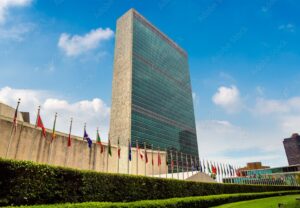
In particular, the United Nations identifies violent conflict as the leading driver of global hunger. When people cannot afford food, tensions rise and societies become unstable, leading to conflicts, which destroy food systems, cause hunger, increase instability and fuel more conflict. Peace is a requisite for food security, and access to food is a basic human right. Breaking the cycle requires both peacemaking and food security efforts.
The U.N. Security Council has passed at least three resolutions specifically dealing with the issue: condemning the use of starvation of civilians as a tool of war, calling on all parties to protect neutral humanitarian personnel trying to help civilians, and criticizing those who attack civilian infrastructure like food, water and power.
As the proverb goes, “When elephants fight, it is the grass that suffers.” When powerful groups clash, it is the civilians who suffer the most. Those with the least power suffer the greatest consequences of conflict.
Dr. Steven Mandel is vice president of outreach and engagement for the New York Metro Region and FJMC’s NGO representative to the United Nations.
Need technical or website help? Email us at
Copyright © 2026 FJMC International. All rights reserved. Website designed by Addicott Web. | Privacy Policy