

HEALING THE WHOLE PERSON: Spiritual Conversations in Health Care.

HEALING THE WHOLE PERSON: Spiritual Conversations in Health Care.
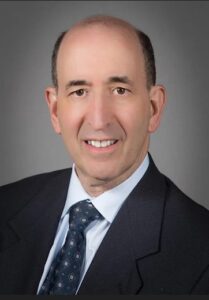
by Steven Mandel MD

Why should we care about spirituality in medicine?

Patients who draw comfort from spiritual beliefs report better quality of life, and less psychological distress, even in advanced cancer or serious illness. Spirituality shapes how we interpret illness, suffering, and prognosis. It supports our decision making, satisfaction of care and well-being. Addressing spiritual and existential needs strengthen the physician- patient relationship, with greater trust.

Illness rarely affects only one person. When the physician acknowledges the family’s spiritual dimensions, patients feel more strongly that the physician supports and strengthens their decision, which improves decision-making competence. The patient and family feel that their dignity is being honored and valued.

What is SPIRITUALITY?

Spirituality is a personal sense of meaning, purpose and connection to something greater than oneself. It includes feelings of peace, gratitude, compassion love and strength. Some people experience spirituality through prayer. In Judaism, spirituality is about connecting to G-d, living ethically, and finding meaning through prayer, study of the Torah and community rituals, meditation, helping others, spending time in nature and quiet reflection. 

The World Health Organization frames spirituality as a fundamental part of holistic, patient care. The Americal Medical Association, Health Policy (2024), Resolution (H-160.900) states: “Our American Medical Association recognizes the importance of individual patients’ spirituality on its impact on health and encourages access to spiritual care services “. “Our AMA supports promotion of medical education curricula on spiritual health “

How do you introduce spirituality in the doctor patient relationship and start the conversation? As many people draw on personal beliefs or spirituality, when dealing with illness, it is important to determine if that is important to you. If so, inform your healthcare provider that this is a meaningful part of your life and is this there a way to honor this in the care provided?

Consider how important those beliefs are in your everyday life and in choices regarding your health. If those beliefs are a source of hope or strength, make sure your provider knows this. Should you be in a hospital setting, you can also ask to involve a chaplain, your clergy, and/or your family in decisions.

The physician’s spirituality can deepen their sense of meaning, strengthen therapeutic relationships, and reduce burnout by fostering greater presence, empathy and connection in clinical care. When a patient is more comfortable with the provider, it improves adherence to treatment. Spirituality can also reduce a provider’s moral distress when the condition cannot be cured and can build a stronger bridge with the patient.

Spirituality reminds us that is never about organ or lab values, but about meaning, identity, relationships and hope. When a caring doctor takes time to hear a patient’s spiritual concerns, it strengthens trust in the doctor patient relationship and gives patients a deeper sense of being listened to, understood and comforted.

Written by Steven Mandel MD
Clinical Professor of Neurology
Zucker School of Medicine
Hofstra Northwell
Adjunct Professor of Medicine
NY Medical College
“HEALING THE WHOLE PERSON: Spiritual Conversations in Health Care.” published in the June 2026 Edition of Health & Wellness, L’chaim.