



By Dr. Steven Mandel
What type of world would we be leaving for the next generation, if we do nothing about nuclear proliferation, terrorism, instability and global conflicts that affect not just nations and governments, but eventually every community, family and individual?
That’s why it’s so important not only to advocate for peace, but to remove the very threats to that peace, especially those that are the most deadly and destructive to us and others – like nuclear weapons.
Our Jewish perspectives toward nuclear weapons and war are deeply shaped by two core values or principles:
The Talmud teaches, “If someone comes to kill you, rise and kill him first (Sanhedrin 72a).” From this, we can justify nuclear deterrents as a tragic but necessary protection against existential threats. War may sometimes be necessary.
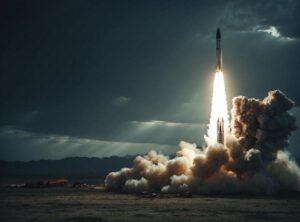 Yet, is nuclear war compatible with preserving life, when it can kill civilians indiscriminately, cause massive suffering, create long-term environmental destruction and threaten future generations?
As Jewish men, we can’t stop all conflicts and problems. But we can educate, lead and strengthen our moral voices to protect life and preserve humanity, as our sacred responsibility. And we can do so under the auspices of FJMC International, through our presence at the United Nations.
The U.N.’s Nuclear Non-Proliferation Treaty is an international agreement aimed at preventing the spread of nuclear weapons, promoting cooperation in the peaceful use of nuclear energy, and furthering the goals of nuclear disarmanent.
 First signed in 1968 and effective in 1970, it was extended indefinitely in 1995 and now has 191 nations as signatories, including the five major nuclear weapons countries and permanent members of the U.N. Security Council – the United States, Russia, the United Kingdom, France and China. Notably, Israel, India and Pakistan never signed it, while North Korea withdrew.
To verify compliance, the treaty set up the International Atomic Energy Agency with a system of safeguards and inspections, to promote the peaceful use of nuclear energy, while inhibiting its use for any military purpose.
But despite the treaty and the U.N. agency, a combination of mistrust, competition, ideological differences and historical enmity between nations has still resulted in espionage, diplomatic tensions, arms races, military buildups and proxy conflicts – all of which leave the world no safer than before, and possibly more at risk.
 Indeed, as odd as it may seem, a discussion of nuclear weapons and nuclear war fits naturally into the mission of FJMC International. We are taught about power and responsibility. How do we protect life, while pursuing peace? What moral obligation do we have to future generations? Nuclear threats raise questions of conscience, justice, restraint and human dignity. Our lifelong learning encourages thoughtful civic engagement. The shadow of the Holocaust shapes our Jewish thinking about security and survival. As Jewish men, we inherit the memory of responsibility and moral leadership, to preserve life, protect the innocent, prevent unnecessary suffering and safeguard future generations.
As members of FJMC, we can organize club discussions, create respectful dialogue, educate the next generation about peacebuilding and nonproliferation efforts, connect nuclear issues to Tikkun Olam, and lead by example about technology, security and human dignity. Nuclear weapons represent the ultimate test of whether humanity can wield greater power without losing its humanity.
Dr. Steven Mandel is vice president of outreach and engagement for the New York Metro Region and FJMC’s NGO representative to the United Nations.
Need technical or website help? Email us at
Copyright © 2026 FJMC International. All rights reserved. Website designed by Addicott Web. | Privacy Policy