



 By Dr. Steven Mandel
Long before the United Nations recognized sports as a powerful instrument for peace, many of us experienced its impact firsthand.
Growing up on the Lower East Side of New York, in the 1950s and ‘60s, I lived in a close-knit Jewish neighborhood. Most families including mine were first-generation Americans. Our world revolved around our synagogues, yeshivas and Jewish traditions. We had little contact with people of other faiths or cultures, not because of hostility, but because our lives rarely crossed.
At the edges of our neighborhood lived Hispanic and African American families. During evenings and weekends, those invisible boundaries disappeared. We gathered in the neighborhood playground, where the basketball court became common ground.
At first, the games reflected the neighborhoods we came from – the 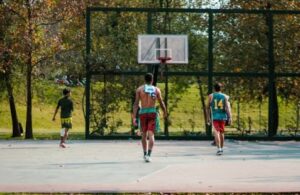 Jewish boys against everyone else. But as weeks and months passed, something changed. Winning became less important than good competition. We mixed the teams to balance the talent, choosing players based on ability, rather than where they came from or what religion they practiced. We learned about one another through teamwork, laughter and friendly competition.
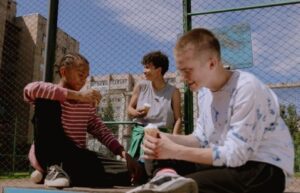 When the games were over, no one hurried home. We went to the local candy store for ice cream floats, and planning the next game. It showed me that friendship can be built on one conversation, one game and one shared experience at a time. On the basketball court and afterwards, I learned what united us was far greater than what separated us.
It’s the United Nations’ belief that sports can break down the barriers and build understanding. FJMC International has the same opportunity to use sports and recreation to strengthen the Jewish community, build friendships and create connections that expend beyond the final score.
History reminds us that sport can either divide or unite. It has been used for propaganda, as seen in the Berlin Olympics, the Munich Olympics in 1972 and the Olympic boycotts of the Cold War. It also served as a powerful force for reconciliation and understanding, from Nelson Mandela’s use of rugby to unite post-apartheid South Africa, to “ping-pong diplomacy” between the United States and China, and the Refugee Olympic Team at the Special Olympics, which celebrate inclusion and human dignity The true power of sports lies not in competition itself, but in the values of respect, friendship and community that it can inspire.
The Jewish community has also experienced the unifying power of sport. The Maccabiah Games strengthen bonds between Jews around the world. Israel has used soccer and basketball to bring Arab and Israeli children together, demonstrating that even in regions of conflict, shared experiences on the playing field can foster respect, friendship and hope.
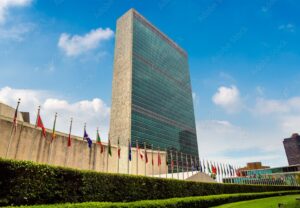 The U.N. is a powerful tool to promote peace, human rights and sustainable development. Sports uses a universal language that brings communities together, empowers women and youth, and champions physical and mental well-being. A U.N. resolution established the International Day of Sport for Development and Peace on April 6. It highlights how athletics, play and physical activity help bring people together, by building bridges, breaking barriers and improving global health, gender equality and education.
FJMC International and our men’s clubs also have an opportunity to lead as local ambassadors for the U.N. vision by hosting interfaith basketball and pickleball tournaments; organizing family sports events with neighboring churches and mosques; supporting adaptive sports for people with disabilities; mentoring youth through sportsmanship and leadership; using sports to build friendships across cultural and religious lines; and celebrating athletes who exemplify character, humility and service – and not just athletic achievement.
Individual commitment to a group is what makes a team work. Through shared experience on the court, field or community activities, we strengthen our bonds of friendship, celebrate the values of Judaism, mentor the next generation and build the vibrant communities that are at the heart of FJMC International.
Dr. Steven Mandel is vice president of outreach and engagement for the New York Metro Region and FJMC’s NGO representative to the United Nations.
Need technical or website help? Email us at
Copyright © 2026 FJMC International. All rights reserved. Website designed by Addicott Web. | Privacy Policy