L’Chaim is More Than a Toast!

L’Chaim is More Than a Toast!
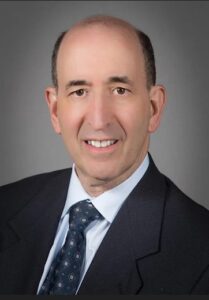
by Steven Mandel MD

David, age 60, is recently divorced, lost his job, gained weight, stopped exercising, and he developed obesity, hypertension and diabetes. He struggled with loneliness and anxiety but never sought help. Although he frequently attends shabbat services each week, and feels deeply connected to his synagogue, he neglected his physical and mental health.

Judaism teaches otherwise. While illness is never a sign of personal failure, caring for our body and mind is a sacred responsibility. Prayer and synagogue are essential to Jewish life, but so are healthy eating, preventive medical care, and seeking help for emotional struggles, such as depression, anxiety, or loneliness.

Food is central to Jewish life, bringing family and friends together for Shabbat, holidays and Men’s Club events. By making healthier food choices and enjoying traditional foods in balance, we honor both our heritage in the mitzvah of caring for the bodies. We must be mindful of the medical consequences of obesity,cardiovascular, Type 2 diabetes respiratory,  bone and joint, liver and digestive , mental health, kidney disease, and certain cancers.

There are several Jewish principles related to health and healing:

Pikuach Nefesh (saving a life) – Preserving a life takes precedence almost every commandment.

Shimirat HaGuf ( Guarding the Body ) – our obligation to protect our health and not take unnecessary risks.

Refuah ( Healing ) – Physicians are seen as carrying out a sacred calling to heal.

Bikkur Cholim ( Visiting the Sick) – Compassionate presence promotes healing

Tikkun Olam (Repairing the World ) – We need to promote public health, the environment, and access to health care

Tzelem Elohim (We are created in the image of G-d): Deliberately harming and neglecting ones health is prohibited.

Shivil hazahav – avoid things that harm the body- smoking, alcohol, drug abuse and other forms of addiction.

Rest and Renewal: Regular rest from work, time for family and community, Shabbat as supporting well-being.

JEWISH FRAMEWORK: PREVENTION

Primary Prevention – Prevent illness before it begins: healthy eating, regular exercise, adequate sleep, vaccinations, avoiding tobacco, excessive alcohol, reduce stress and living safely.

Secondary Prevention – Identify disease before symptoms become serious: regular blood pressure checks, cholesterol testing, cancer screening, diabetes screening, and vision and hearing exams, as part of a routine medical examination

Tertiary Prevention: Limiting complications, restore functioning, and helping individuals live meaningful lives despite illness.

This includes compassion and support to include caregivers, and the responsibility to one’s spouse, children, grandchildren and community. Preserving health is not just living longer but living well that we can meet our responsibilities to G-d, families and community. Let us not forget Spiritual Well Being, strengthening our resilience and provide meaning during health and illness.

Judaism and serious illness:

Religion can be a source of strength and deep healing. It also creates a space to express fear, anger, gratitude, and hope honestly. It emphasizes that no one should face hardship alone complete healing, recognizing that peace, reconciliation and love are also forms of healing. 

Jewish teaching is not just about curing but also about healing. We also recite the prayer Mi Shebreirach which asks God to grant: “a complete healing – healing of body and healing of spirit.“

Caring for our physical and mental health is a mitzvah, and so is helping others do the same. As members of the FJMC International, let us live the meaning of L’chaim- To Life.

Written by Steven Mandel MD
Clinical Professor of Neurology
Zucker School of Medicine
Hofstra Northwell
Adjunct Professor of Medicine
NY Medical College

“L’chaim is More than a Toast!” published in the Fall 2026 Edition of Health & Wellness, L’chaim.