




What can one individual do by showing up at a rally?
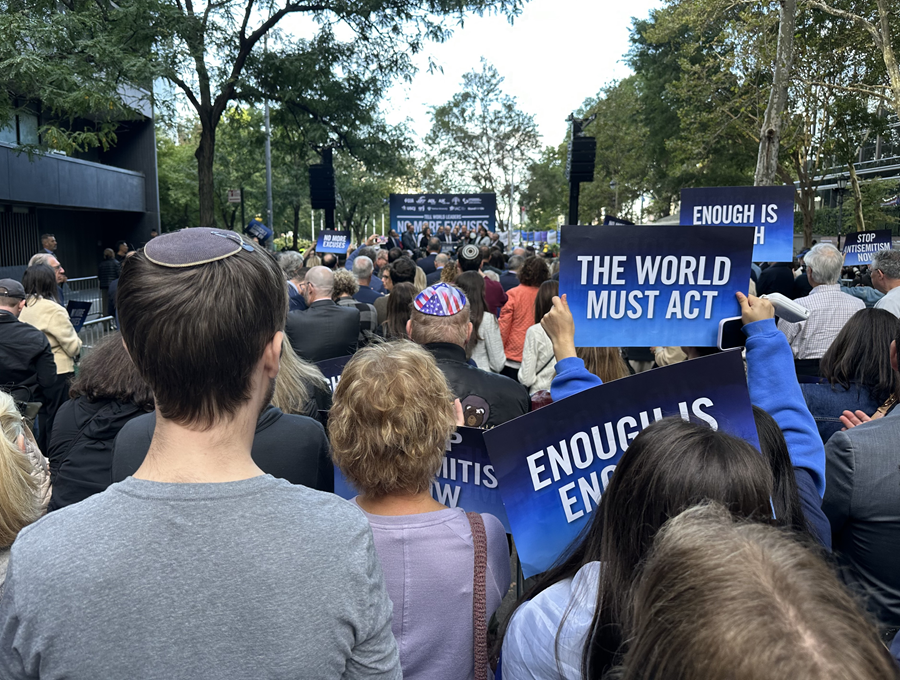
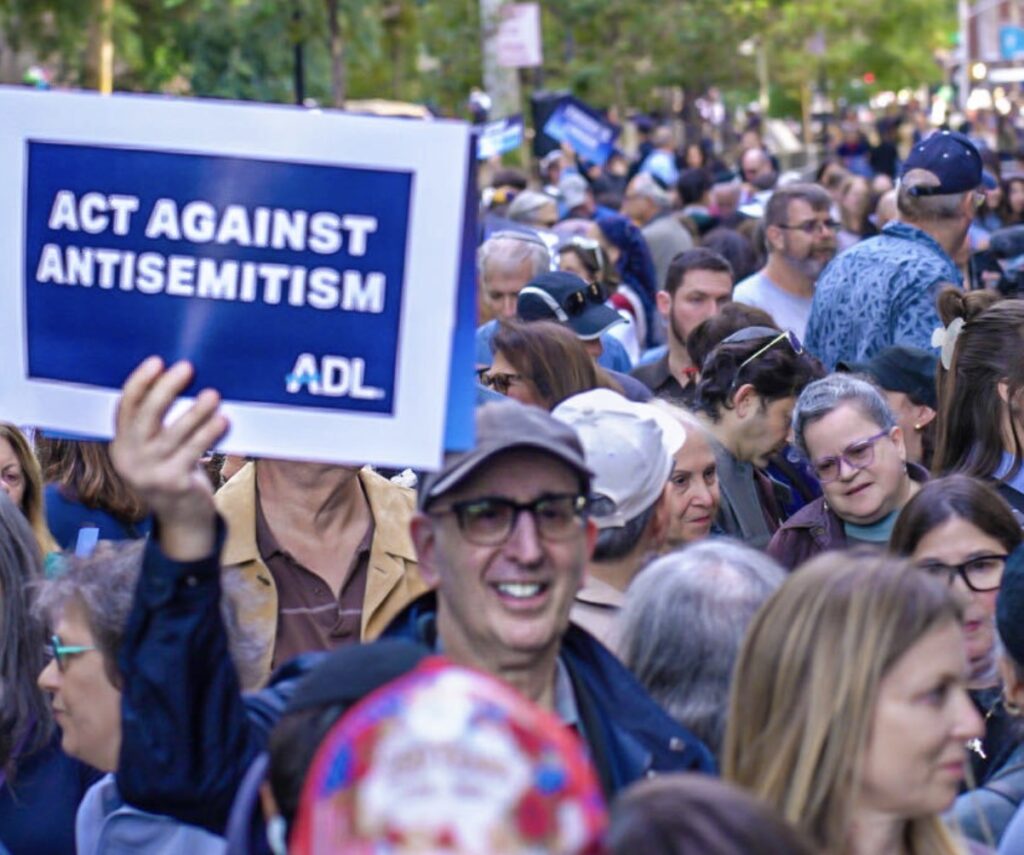
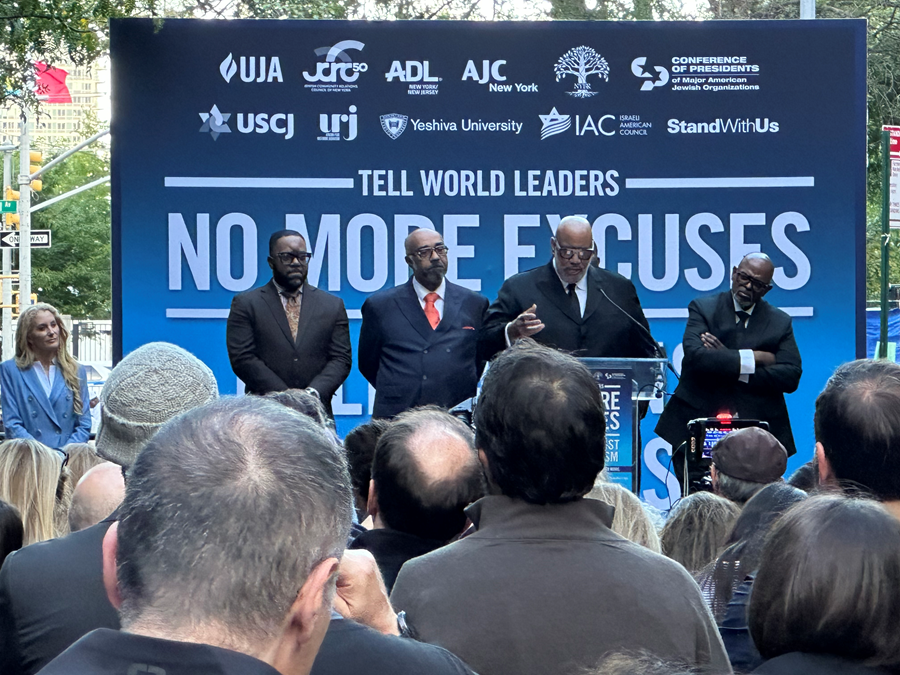
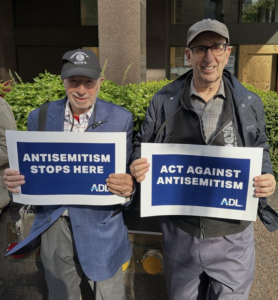 One person cannot change the course of antisemitism, but that person can change the way someone else feels that day. When a Jew sees a non-Jewish neighbor standing beside them, they know that they are not standing alone. When others see that person willing to stand up, it can give them the courage to stand up as well. Fighting antisemitism begins with individuals – but it becomes powerful when individuals stand together.
Why reach out to elected officials and civic leaders?
When you make the call, send an email, show up, you keep the conversation going. One person showing up is the beginning of a larger community response. We tell them our personal stories, we ask them to listen, learn, speak out and take meaningful action.
What can you do as an individual?
You can identify organizations where an individual can join, volunteer, participate in programs, attend events, advocate and contribute financially.
Organizations worth considering include, Combat Antisemitism Movement, Jewish Federation of North America, Anti-Defamation League, American Jewish Committee, and join our FJMC Committee to fight Antisemitism.
There are 4 different kinds of actions:
I am a member of the GRACE ADL program/team: Government Relations, Advocacy and Community Engagement. It is part of the ADL focus for national legislative advocacy, outreach to government officials and coalition building.
How do you feel when your efforts seen to fail?
Disappointment is natural. The immediate result does not mean that your effort was meaningless. Change comes about from persistence rather than one dramatic action. Acknowledge your disappointment, ask what you have learned, try again, find others who share the same concern, change the approach, and keep showing up. We can’t choose the outcome. We can control whether we choose to stand up and continue.
Why now is it more important for us Jew and non-Jew to stand up against antisemitism?
FBI in 2024, 1,938 anti-Jewish hate crime incidents. Jews make up 2% of the population with nearly 70% of all religion- based hate crimes are against Jews. The ADL in 2024documented 9,354 antisemitic incidents, Averaging more than 25 per day. In 2025, the FBI recorded 10,881 – hate crime incidents overall, involving 14, 438 victims. Antisemitic crimes in NYC have increased by 8.5%.
As a Jew, I am guided by the words, Tzedek, Tzedek, Tirdof- justice, justice, you share pursue. There are 3 bills before Congress that we need to reach out to our elected officials to support the 3 bipartisan bills.
The three bills have a simple message and say in a concrete way: every American should be free to enter a house of worship, pray in peace and return home safely. Congress can turn justice into action and protect the freedom to worship safely.
Please read ADL’s “Priorities to Combat Antisemitism and Protect the Jewish Community“.
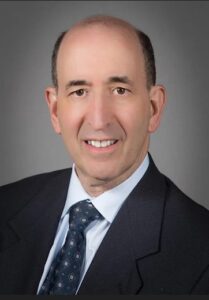 Written by Steven Mandel MD
VP of Communty Outreach, New York Metropolitan Region
FJMC International
Need technical or website help? Email us at
Copyright © 2026 FJMC International. All rights reserved. Website designed by Addicott Web. | Privacy Policy