Don’t Make Them Ask. No family should need permission to belong.
BEYOND KERUV…Looking back and moving ahead by Steven Mandel MD
For FJMC, KERUV means welcoming interfaith families into synagogue life, so that differences in religious background never become barriers to participation.
Welcoming means supporting Jewish identity, educating without judging, building relationships and training synagogue leaders. It does not mean asking anyone to become Jewish. It means respecting the non-Jewish partner and the whole family, so that meaningful Jewish connections can grow. For our men’s clubs, it is a chance to take an active role in strengthening our community and the Jewish future.
What we hear, and what we’ve learned
“It will dilute Jewish identity.” Welcoming strengthens Jewish identity by offering meaningful connection to people who would otherwise feel pushed to the margins.
“It conflicts with Jewish law.” Treating every person with dignity is a tenet of Jewish law.
“We’ll have to compromise our observance.” We don’t. Welcoming makes Jewish observance accessible to people who didn’t grow up with it.
“The non-Jewish partner will always be an outsider.” Only if we treat them as one. Welcoming removes that barrier.
“The Jewish partner carries all the religious responsibility.” Welcoming lets that responsibility be shared.
From welcome to belonging
The rabbi can open the door, but the congregation must make people feel at home. Welcoming succeeds when a family no longer feels it must ask permission to belong, because it knows it has found a community where it does.
FJMC can lead the way, as it always has: breaking down barriers, building lasting relationships and turning welcome into belonging for generations to come.
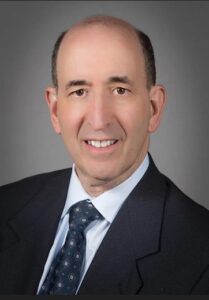
Steven Mandel, MD VP of Outreach and Engagement, New York Metro, FJMC
“Don’t Make Them Ask. No family should need permission to belong.” published in the Winter 2026 KERUV edition of Pride & Prejudice.
It’s time for a new initiative that meets the needs of today’s Jewish community while maintaining our traditions. If you are interested in being part of this FJMC International initiative and endeavor, please get in touch with Alan Budman at