




By Jonathan D. Epstein
 Our sages teach that two fundamental principles of Jewish teaching are the importance of Tikkun Olam (repairing the world, or making the world better) and Pikuach Nefesh, the legal concept that saving or preserving a human life takes precedence over almost all other religious commandments.
These and other Jewish legal tenets teach us that we have a responsibility to look after one another, to help and support each other, and to protect and aid our fellow men and women, but especially our fellow Jews.
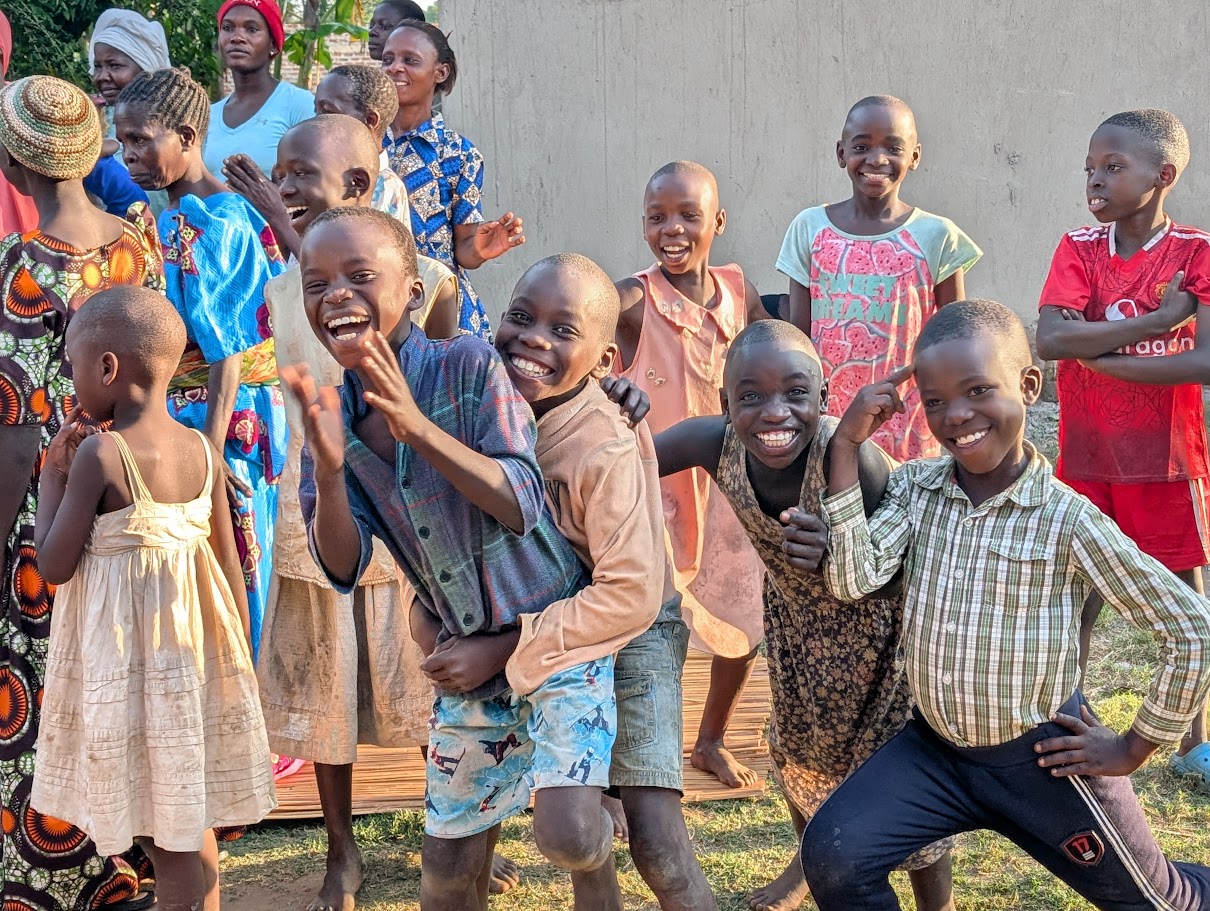
That’s why FJMC has become so involved with our brothers and sisters in sub-Saharan Africa, particularly in the Abayudaya communities of Uganda and Kenya – because they have embraced Judaism, and because they need us.
Through our Abayudaya Initiative within FJMC, we are primarily seeking to support their their Jewish journey, providing them with siddurim, tefillin, tallism and even Torah scrolls. They are passionate about their Judaism and observance, and want to be able to learn more and do more – a goal we wish to encourage and facilitate.
Working in conjunction with other organizations, we are helping to invest in the education of their students, and even funded the roof repair of one of their synagogues, Ahavat Yisrael in Itonko Village, that was damaged by heavy rains. There’s also a desire for regular Shabbat meals for entire villages or synagogues, as well as for training teachers and spiritual leaders.
But their needs are much greater than ours, and also more basic. While they have grown to number more than 3,000 people in some 30 villages and synagogues, they live in a largely agricultural society, in an impoverished country, where many still face day-to-day struggles, even for food and health needs.
Malaria is common, so they need mosquito nets to protect the young, the old, the pregnant and the infirm. Water tanks can provide a source of fresh water, to prevent the spread of typhoid. Young women need reusable sanitary pads.
It may seem like a lot, and it is. But that’s why we must take it one step at a time, one project at a time. Our dollars go so much further there, so we have a great opportunity to make a difference if we work together.
For one village of 65 people, for example, $300 can provide enough long-lasting mosquito nets for those most at risk. For $700, the entire village can be protected.
To learn more about the Abayudaya, check out our information page here. To read past stories about the Abayudaya, check out our archives. And to donate to the Abayudaya with a tax-deductible gift through FJMC International, click here, or contact co-chairs Jonathan Epstein and Bob Watts at .
Jonathan Epstein is co-chair of the Abayudaya Initiative for FJMC International and editor of HaD’Var.
Need technical or website help? Email us at
Copyright © 2026 FJMC International. All rights reserved. Website designed by Addicott Web. | Privacy Policy