
ADL Audit of Antisemitic Incidents
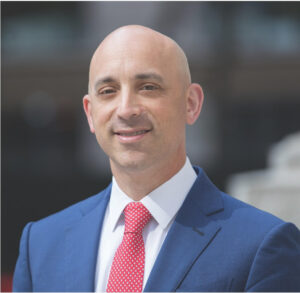
by Jonathan Greenblatt, CEO, ADL (Anti-Defamation League)
Dear CATALYST readers and friends of FJMC International:
Congratulations and Mazal Tov on the inaugural issue of Catalyst. We so much appreciate our partnership with your organization at both the national and regional levels.
As you may have heard, ADL just released our annual Audit of Antisemitic Incidents, and I want to be direct about what the headline number means, and what it does not.
First there is good news. We recorded 6,274 antisemitic incidents across the United States in 2025, down 33% from the record-shattering 9,354 in 2024. This indisputably is an improvement. We can and should celebrate this healthy sign of progress.
However, it’s also not that simple. In a news cycle that rewards simple narratives, some will not bother to read past the headline. But there is cause for concern.
Here is what the data shows: 2025 was the third-highest year for antisemitic incidents since ADL began tracking them in 1979. It was one of the most violent years for American Jews in recent memory. Physical assaults reached a record high. Three people were murdered simply because of their Jewish identities. And the level of antisemitism in this country today is 70% higher than what we saw in 2022, before the October 7 massacre fundamentally transformed the landscape. The baseline has shifted, and we must not pretend otherwise.
Every single day, 17 Jewish communities across the country experienced antisemitic incidents both small and large. They ran the gamut from offensive slights in a school yard to violent attacks affecting the entire community. In 2025 we’ve seen swastikas spray-painted on synagogues, students harassed at school, antisemitic slurs uttered in the workplace, and Jewish businesses vandalized.
The antisemitic incident data is only a reflection of broader trends we are seeing, including the institutionalization of antisemitism in policy spheres – see the efforts of activists to remove the IHRA definition from public life or the DSA demand that their candidates for elected office renounce Zionism – to the normalization of anti-Jewish hate by cultural commentators – see Hasan Piker, Tucker Carlson, Candace Owens and Nick Fuentes are a few of the most prominent examples – to the spread of hate on social media, and the increasing political polarization of seemingly all spheres of our society.
So, what will it take to solve the antisemitism crisis in America?
First and foremost, we need more political leaders to speak out, especially when hatred emerges from within their own party. Silence at this moment is a choice, and it is one with consequences. Standing silent or even endorsing candidates who espouse antisemitic views, who traffic in hateful memes or who dismiss the evil of Nazi symbols may help you win an election in the near-term, but you are guaranteed to lose the battle against hate in the long run.
Next, we need social media companies to recognize their responsibility. When their platforms algorithmically amplify antisemitism and hate, they are not neutral. They are complicit in this crisis.
Third, we need school administrators, from kindergarten through graduate school, to recognize that a Jewish student who does not feel safe cannot learn. That is not an abstraction. It is happening today in classrooms across this country.
Finally, we need laws with teeth. Congress must pass the SACRED Act, new bipartisan legislation that would establish 100-foot safe access zones around houses of worship, ensuring that Americans can pray without being intimidated or obstructed. Lawmakers must also strengthen the Nonprofit Security Grant Program and increase its funding to $1 billion. This cannot happen soon enough because the demand is real.
The 2025 numbers are down from their peak. That is worth acknowledging and applauding. But 6,274 antisemitic incidents is far from a reasonable decrease. We should not accept that this is some kind of new normal. Indeed, antisemitism in America remains a crisis that requires the full, sustained attention of every U.S. institution.
Written by Jonathan Greenblatt, CEO, ADL
“ADL Audit of Antisemitic Incidents” published in the July 2026, Inaugural Edition of Catalyst.
Need technical or website help? Email us at
Copyright © 2026 FJMC International. All rights reserved. Website designed by Addicott Web. | Privacy Policy