BEYOND KERUV…Looking back and moving ahead

BEYOND KERUV…Looking back and moving ahead
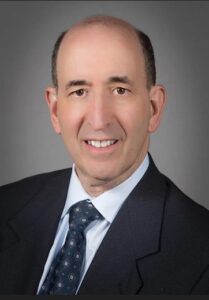
by Steven Mandel MD

In the context of the FJMC, KERUV focuses on welcoming interfaith couples with families into synagogue life, rather than allowing differences in religious backgrounds to become barriers to participation.

Welcoming interfaith families, means supporting Jewish identity, educating without judging, building relationships, and training synagogue leaders. Welcoming interfaith families does not mean asking them to become Jewish. It is welcoming them so that meaningful Jewish connections can grow. It is respect for the non-Jewish partner and the entire family.

For the FJMC, welcoming interfaith families is an opportunity for men’s clubs to take an active role in supporting the Jewish community and strengthening the future of Judaism.

Misunderstanding about welcoming interfaith families and positive:

  • It will dilute Jewish identity- Welcoming can strengthen Jewish identity by giving meaningful opportunities to those who would feel marginalized
  • Conflict with traditional Jewish law – Treating every person with dignity is a tenant of Jewish law.
  • Maintaining Jewish observances – Welcoming makes the Jewish community more accessible to those who are not Jewish
  • Non-Jewish partner being judged as an outsider- Welcoming erases barriers
  • The Jewish partner takes all the religious responsibility – Welcoming encourages that responsibility to be shared.

We need to welcome before judging, listen before teaching, support the non-Jewish partner, respect Jewish boundaries, and model Jewish living. The FJMC uses friendship, understanding and a sustained commitment to accept interfaith families. It is an opportunity for Jewish connection and growth.

CONGREGATION: Welcome all at the entrance, in the men’s club, in education, in worship, in social life and leadership.

What can the FJMC do?

1. Designate a liaison or committee
2. Train members in how to become welcoming
3. Pair interfaith families with experienced congregants.
4. Offer volunteer social and service activities
5. As families what would make participation easier.

RABBI: The rabbi can open the door, but the congregation must make the people feel at home. Welcoming succeeds when the family no longer feels that asking permission to belong, but knows that it has found a community where it belongs.

Through welcoming interfaith families, FJMC can lead the way, as it always has, to transform welcoming into belonging, brake down barriers, embrace interfaith families, build lasing relationships that strengthen Jewish identity, foster belonging, and sustain Jewish life for generations to come.

Steven Mandel MD
Clinical professor of Neurology
Hofstra Northwell
Adjunct Professor of Medicine
NY Medical College

October 14, 2026

“BEYOND KERUV…Looking back and moving ahead” published in the Winter 2026 KERUV edition of Pride & Prejudice.