





By Dr. Steven Mandel
 As a physician, I know that protecting people from extreme cold can make the difference between life and death, especially for those who are older, isolated or unable to afford adequate heat.
I recall seeing a 78-year-old man, living alone in a small apartment with inadequate heating because he is struggling to pay his utility bills. He told me that during prolonged cold spells, he keeps his coat on indoors and spends much of the day sitting under blankets.
After several days, he became weak and lethargic, and then confused. He experienced difficulty walking, and could not get out of bed. A neighbor who checked on him thought something was wrong and called 911. In the ER, he was observed to be hypothermic, with low blood pressure, shivering, cold skin, impaired coordination and confusion.
His hospitalization could have been prevented if someone recognized his circumstances and helped him obtain adequate heat before the cold became life-threatening. As members of FJMC International’s Shomrei Ha’Aretz Committee, we must recognize that protecting people from extreme cold is not simply an environmental concern – it is a matter of public health, human dignity and our responsibility to preserve life.
Shomrei Ha’Aretz, FJMC’s initiative dedicated to environmental responsibility, reminds us that caring for the Earth also means caring for those who inhabit it. It reminds us that environmental conditions affect human health, and to take practical steps to protect those most at risk.
We begin to think about warm clothing, heating our homes and protecting our families from the cold. But, for many in our communities, winter brings something more serious: a threat to their health, safety and even to their lives. Extreme cold can cause hypothermia, frostbite and cardiovascular stress. Older adults, people with disabilities, infants and young children, individuals experiencing homelessness and those who cannot afford adequate heat are especially vulnerable.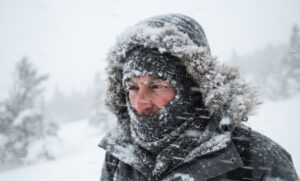
The greatest health effects with extreme cold range from hypothermia to local freezing and nonfreezing tissue injury, plus a substantial burden of cold-triggered cardiovascular and respiratory events. Systemic organ consequences of hypothermia range from arrythmias to cardiac arrest, and metabolic derangements that can include hyper- and hypoglycemia.
Local cold injuries can include frostbite, superficial blisters and deep injury involving muscle, tendon and bone with blisters and a risk of amputation.
What does dangerous cold mean?
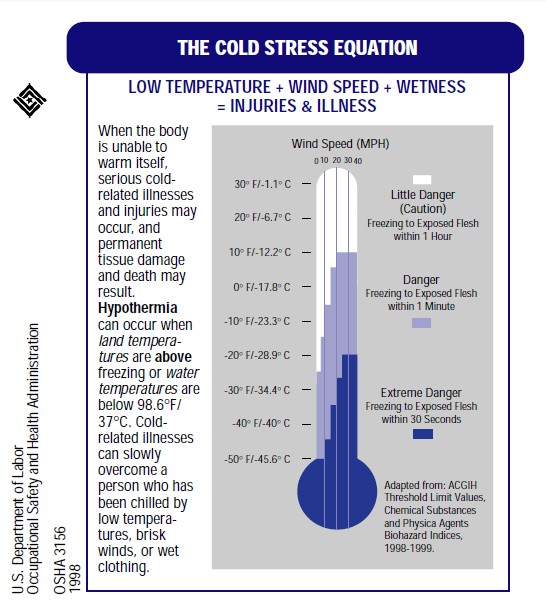
 There is no single outdoor temperature that becomes dangerous to everyone. Risk depends on the actual temperature, wind speed, duration of exposure, wet clothing, shelter and a person’s health.
Understanding cold weather dangers:
Hypothermia can occur even when temperatures are above 40 degrees Fahrenheit, if someone becomes wet, remains in cold conditions, and lacks adequate clothing and shelter.
How can we predict dangerous cold before it happens?
FJMC and our men’s clubs can and should play a vital role in protecting vulnerable populations from the harsh realities of winter. Here’s a few ways:
As Shomrei Ha’Aretz, we are “guardians of the Earth,” and we are responsible for the people who share it. When winter threatens our neighbors, our Jewish value calls upon us to act. Let this winter be the winter that every FJMC club asks not only how cold it will be, but also who may need help – and what we can do about it.
Dr. Steven Mandel is a member of FJMC International’s Shomrei Ha’Aretz Initiative and vice president of outreach and engagement for the New York Metropolitan Region.
To learn more about Shomrei Ha’aretz programs and activities for your region, club and you, and/or to join our committee, contact Chair Norwin Merens and the committee at .
Need technical or website help? Email us at
Copyright © 2026 FJMC International. All rights reserved. Website designed by Addicott Web. | Privacy Policy