




By Dr. Steven Mandel
 As a physician, I have spent much of my professional life treating illness.
I have also learned that health begins long before a patient enters the doctor’s office.
Access to nutritious foods is fundamental to good health. A lack of sustainable and consistent food can contribute to poor nutrition, worsen chronic disease, and affect physical and emotional well-being. Food insecurity is also linked to diabetes and poor glycemic control, to hypertension and hyperlipidemia, to cardiovascular disease and obesity, and to poor oral health, depression and anxiety, adverse outcomes for child development and education, and increased use and spending on health care.
For an older adult living alone, the absence of adequate food can also mean isolation and loss of independence.
Caring for people who are hungry is an expression of tzedakah, compassion and our responsibility to one another. Safeguarding the earth’s natural systems is structurally and ethically inseparable from eradicating human hunger.
Even more, food insecurity can not only affect our neighbors, families and communities, but ultimately the health and dignity of the people around us. That’s why the United Nations calls for ending hunger, improving nutrition and creating sustainable food systems.
What causes food insecurity? There are various environmental drivers, including:
As a neurologist, food insecurity also contributes to epilepsy in poor, resource-limited countries. Hunger and malnutrition can increase the risk of seizures, impair brain development and worsen the consequences of epilepsy.
Many times during the year, I deliver food packages in the New York City area to those in need. But it is not simply about delivering food. I am delivering connection, dignity and the message that someone cares. FJMC can take the same spirit beyond the holidays – turning a package at someone’s door into a commitment that no neighbor should have to worry about where their next meal should come from.
Tzedakah, kavod, habriyot and our responsibility for one another calls upon us to recognize when a neighbor needs help.
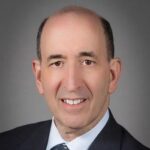
Dr. Steven Mandel is FJMC’s non-governmental organization representative to the United Nations.
Need technical or website help? Email us at
Copyright © 2026 FJMC International. All rights reserved. Website designed by Addicott Web. | Privacy Policy